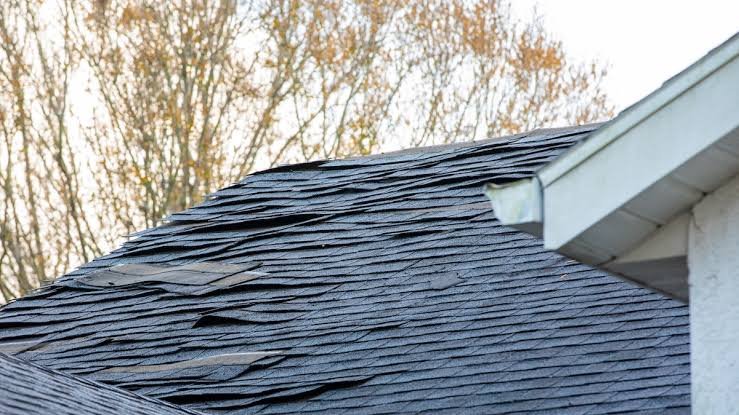
Roofs don’t fail overnight, usually. They give warning signs for months, sometimes years, before a real problem shows up. Learning to spot signs of roof damage early is genuinely one of the most cost-effective habits a homeowner can build.
I learned to actually look up at my terrace regularly after a small crack I ignored turned into a much bigger repair job.
Why Roof Issues Are Easy to Miss
Quick answer: Common signs of roof damage include water stains on ceilings, visible cracks, sagging areas, and peeling paint near the roofline — all of which are much cheaper to address early than after they worsen.
Sign 1: Water Stains on the Ceiling
Yellow or brown patches on the ceiling almost always trace back to a roof or terrace leak. Don’t just repaint over it — the source needs to be found and fixed first, or the stain will keep coming back.
Sign 2: Visible Cracks on the Terrace or Roof Surface
Hairline cracks can widen over time, especially through repeated monsoon cycles. Get these inspected before the next rainy season rather than after water’s already found its way in.
Sign 3: Sagging Roof Sections
This one’s more serious — sagging usually points to structural weakening, possibly from prolonged water damage or age. Don’t wait on this; get a structural assessment promptly.
Sign 4: Peeling Paint Near the Roofline
If paint near the top of walls or the ceiling edge is peeling or bubbling, moisture is likely getting through from above. This is often one of the earliest visible signs, appearing before an obvious leak does.
Sign 5: Mold or Mildew Growth
A musty smell or visible dark spots on ceiling corners, especially after monsoon, usually means moisture has been sitting somewhere it shouldn’t for a while. [link to roof repair vs replacement guide here]
Sign 6: Granule Buildup in Gutters or Drains (For Tiled/Shingled Roofs)
If you notice small granules collecting in drains after rain, that’s material breaking down from roof tiles or shingles — a sign the surface is wearing down and may need attention soon.
A Real Example
A relative of mine noticed a small patch of peeling paint near the ceiling corner of a spare room, assumed it was old paint quality, and repainted over it. Six months later the same spot showed a full water stain after monsoon. Turned out there’d been a slow crack in the terrace the whole time. The repaint delayed noticing the actual issue, and the eventual fix cost more because the damage had spread further into the wall by then.
What to Do When You Notice These Signs
- Take photos to track if the issue is spreading
- Get a professional roof inspection, especially before monsoon
- Don’t just repaint or cover visible signs without addressing the source
- Address cracks and seepage promptly — these worsen significantly during rain
Seasonal Roof Checks Worth Doing
- Pre-monsoon: check for cracks and clear drains/gutters
- Post-monsoon: inspect for new stains, mold, or peeling paint
- Annually: a full professional inspection if the roof is over 10 years old
FAQs
Q: What’s the earliest sign of roof damage to watch for? Peeling or bubbling paint near the ceiling edge — it often appears before an obvious water stain does.
Q: Can small roof cracks really lead to major damage? Yes, especially through repeated monsoon seasons — small cracks widen with water exposure and temperature changes over time.
Q: Should I inspect my roof myself or hire a professional? Visual checks (stains, cracks, peeling paint) you can do yourself; structural assessment for sagging or major cracks needs a professional.
Q: How often should roof inspections happen? At minimum, before and after monsoon season, with a more thorough professional check annually for roofs over 10 years old.
Q: Does a musty smell always mean roof damage? Not always, but combined with ceiling stains or visible mold, it’s a strong indicator worth investigating rather than ignoring.
Final Thoughts
Most signs of roof damage are quiet at first — a stain, a crack, some peeling paint. Catching these early genuinely saves you from far more expensive structural repairs later. Make it a habit to actually look up at your ceiling and terrace every few months, especially around monsoon season.