Bathroom renovations look simple on paper. Rip out the old, put in the new. But bathroom renovation mistakes happen constantly, and they’re usually the kind you don’t notice until it’s too late — like weeks after everything’s tiled.
I’ve seen enough of these go wrong to put together a list that’s actually useful, not just generic advice.
Why Bathrooms Are Trickier Than They Look
Quick answer: Most bathroom renovation mistakes come from poor waterproofing, wrong ventilation planning, and rushing the layout without considering plumbing constraints — all of which are expensive to fix after tiling is done.
Mistake 1: Skipping Proper Waterproofing
This is the big one. Cutting corners on waterproofing to save ₹5,000-10,000 can lead to seepage that costs lakhs to repair later, especially in apartments where it affects the ceiling below.
Always insist on:
- Waterproofing membrane on floor and up to 2 feet on walls
- A 48-hour water ponding test before tiling
- Extra attention around the shower area and drain points
Mistake 2: Poor Ventilation Planning
A bathroom without proper exhaust turns into a mold factory within months. This matters even more in humid cities like Mumbai or Chennai.
Mistake 3: Wrong Tile Choice for Wet Areas
Glossy tiles look great in photos but become dangerously slippery when wet. Go for tiles with a slip resistance (R10 or higher) rating in shower zones — this one detail prevents actual injuries.
Mistake 4: Ignoring Storage Needs
People obsess over fixtures and forget storage entirely. Then six months later there’s a random plastic shelf ruining the whole look. Plan storage — niches, cabinets, shelves — into the design from day one.
Mistake 5: Underestimating Plumbing Costs
Moving a toilet or sink even a foot from its original position means new plumbing lines, which adds real cost. Picture a couple in Pune who wanted the sink on the opposite wall for “better flow” — that single change added ₹18,000 to their budget. If your existing layout works, keep it. [link to plumbing cost guide here]
Mistake 6: Choosing Trendy Over Timeless
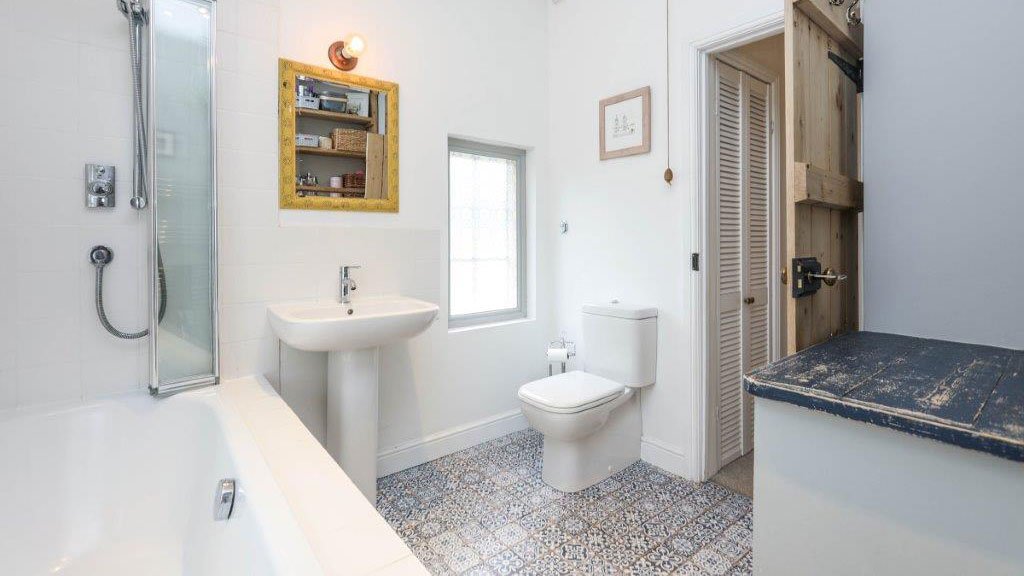
Bold patterned tiles look amazing on Pinterest right now. But trends fade, and re-tiling a bathroom every 5 years isn’t realistic for most people. Balance one statement element (like an accent wall) with mostly neutral, durable choices elsewhere.
Mistake 7: Bad Lighting Layout
A single center light isn’t enough. You need task lighting near the mirror, and ideally some ambient lighting too. Otherwise shaving or makeup becomes genuinely difficult.
Mistake 8: Not Budgeting for Delays
Bathroom work almost always takes longer than quoted — waterproofing curing time alone eats up days. Add a 15-20% time and cost buffer to whatever your contractor tells you.
A Smarter Renovation Checklist
- Confirm waterproofing method and get it in writing
- Choose slip-resistant flooring for wet zones
- Plan storage before choosing fixtures
- Keep existing plumbing points where possible
- Add proper exhaust ventilation
- Balance trendy elements with neutral base tiles
- Budget an extra 2 weeks beyond the quoted timeline
FAQs
Q: What’s the most common bathroom renovation mistake? Skipping or rushing waterproofing — it’s invisible until there’s a leak, and by then it’s an expensive fix.
Q: How long should a bathroom renovation realistically take? Around 3-4 weeks for a standard bathroom, factoring in waterproofing curing time and tile setting.
Q: Are glossy tiles a bad choice for bathrooms? Not entirely bad, but avoid them on the shower floor specifically — use matte or textured tiles there for grip.
Q: How much extra should I budget for unexpected issues? Around 15-20% above your initial quote covers most surprises like plumbing rerouting or waterproofing repairs.
Q: Can I avoid moving plumbing to save money? Yes, and it’s one of the smartest ways to cut cost — keeping fixtures in their existing positions avoids new pipe work entirely.
Final Thoughts
Most bathroom renovation mistakes aren’t about bad taste — they’re about rushing decisions that are hard to undo once tiled. Slow down on waterproofing, plumbing layout, and storage planning, and the rest tends to fall into place. Get your waterproofing in writing before work even starts.