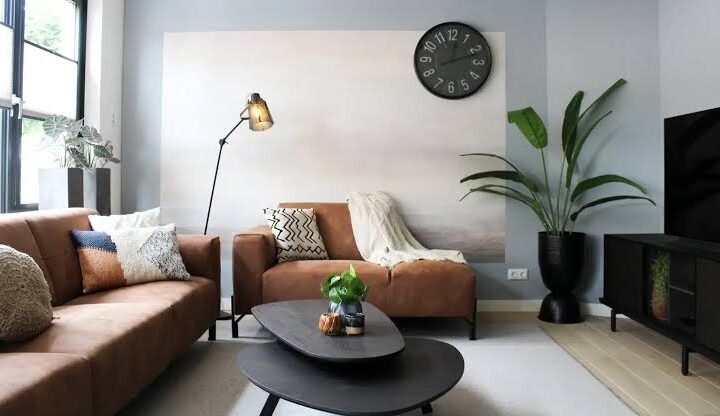
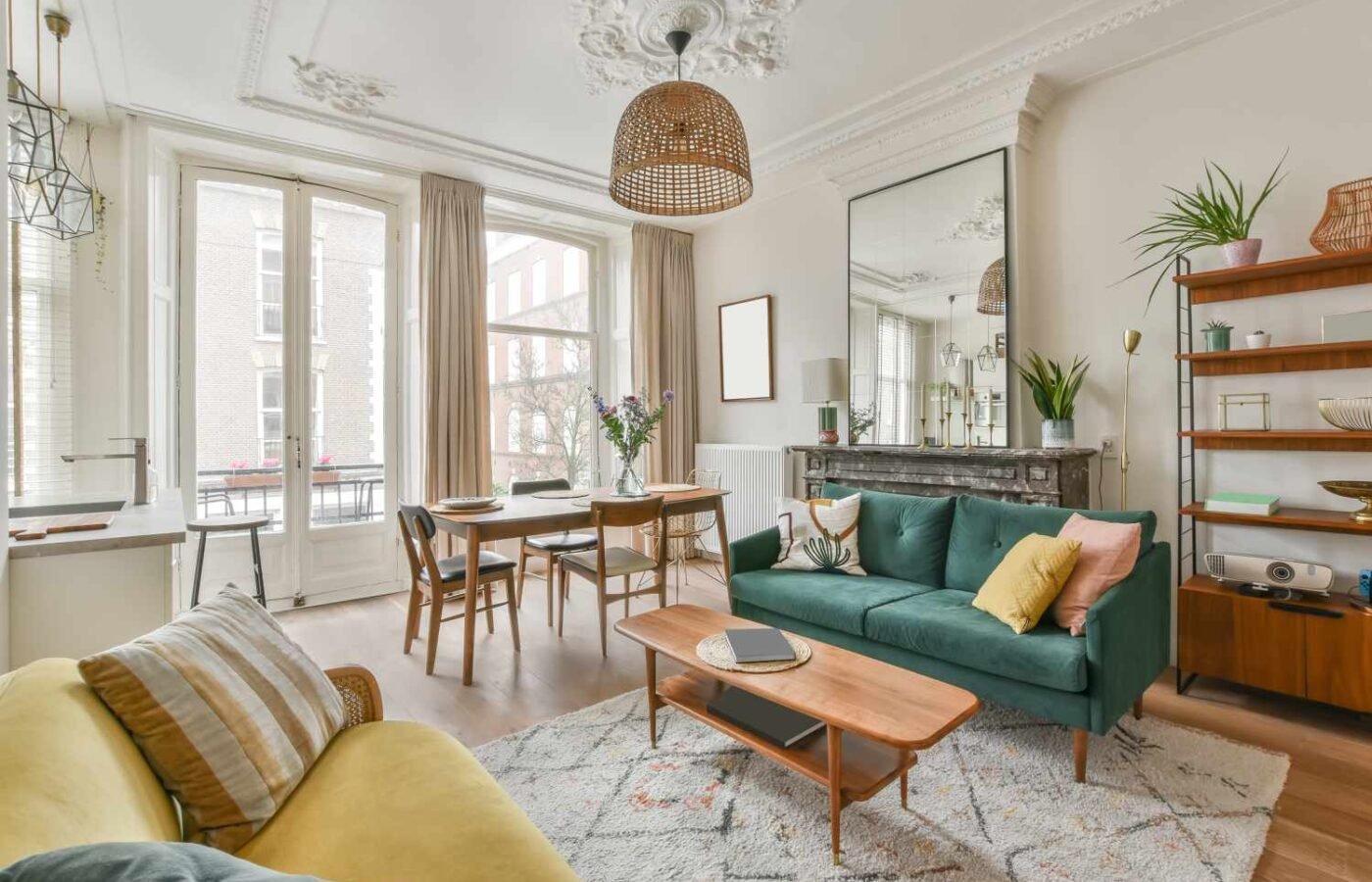
Small apartments and compact rooms don’t have to feel cramped. A handful of genuinely effective small space decorating ideas can visually expand a room without knocking down a single wall.
I’ve lived in a fairly small 1BHK for a few years now, and honestly, most of these tricks came from necessity rather than a design blog.
The Psychology Behind Feeling “Bigger”
Quick answer: Small spaces feel bigger with light color palettes, multi-functional furniture, strategic mirror placement, and vertical storage — all of which reduce visual clutter and improve natural light flow.
Use Mirrors Strategically
Placing a large mirror opposite a window doubles the perceived natural light and visually extends the room. This isn’t just decor advice — it genuinely changes how a small room feels to be in.
Choose Multi-Functional Furniture
- A storage ottoman that doubles as seating and hidden storage
- A bed with built-in drawers underneath
- A folding dining table that expands only when needed
- Nesting tables that tuck away when not in use
Go Vertical With Storage
Floor space is limited, but wall space usually isn’t. Tall, narrow shelving units use height instead of floor footprint, keeping the room feeling open while still providing storage.
Stick to a Light, Cohesive Color Palette
Dark colors can make small rooms feel like they’re closing in. Light neutrals — soft whites, pale beige, light gray — reflect more light and create a sense of openness. [link to paint color trends guide here]
Avoid Overcrowding With Furniture
It’s tempting to fill every corner, but leaving some negative space actually makes a small room feel calmer and larger. Not every wall needs a piece of furniture against it.
Use Curtains and Rods Strategically
Hanging curtain rods closer to the ceiling rather than right above the window frame creates an illusion of taller walls and a more spacious room overall.
Declutter Ruthlessly
Picture a small living room stuffed with decorative items on every surface — it visually reads as cramped even if the actual furniture footprint is modest. Fewer, more intentional decor pieces make a bigger visual difference than most people expect.
Furniture Placement Tips
- Keep furniture legs visible (avoid skirted sofas) — this creates a sense of openness underneath
- Float furniture away from walls slightly when space allows, rather than pushing everything to the edges
- Choose furniture with glass or acrylic elements, which visually “disappear” more than solid wood
A Real Small-Space Transformation
A friend in a compact Bengaluru studio apartment swapped her heavy wooden coffee table for a glass one, added a large mirror opposite her only window, and switched to sheer curtains instead of heavy drapes. The room wasn’t any bigger physically, but it genuinely felt more open — she mentioned friends commenting on it without knowing what had changed.
FAQs
Q: Do mirrors really make small rooms feel bigger? Yes, especially when placed opposite a window — they reflect natural light and create visual depth.
Q: Should small rooms always use light colors? Light colors generally help, but a single darker accent wall can still work well if the rest of the room stays light and open.
Q: What furniture should I avoid in small spaces? Bulky, low, solid furniture with skirting — it visually eats up floor space and makes rooms feel more closed in.
Q: Is vertical storage really more effective than floor storage? Yes, it uses wall height instead of limited floor area, which is usually the more constrained resource in small spaces.
Q: How much decor is too much for a small room? If surfaces feel crowded or it’s hard to find empty visual space to rest your eyes, that’s usually a sign to declutter and simplify.
Final Thoughts
Small space decorating ideas aren’t about making do with less — they’re about being intentional with what you do have. Mirrors, light colors, and multi-functional furniture can transform how a compact room feels without any structural changes. Start with one change, like a strategically placed mirror, and build from there.