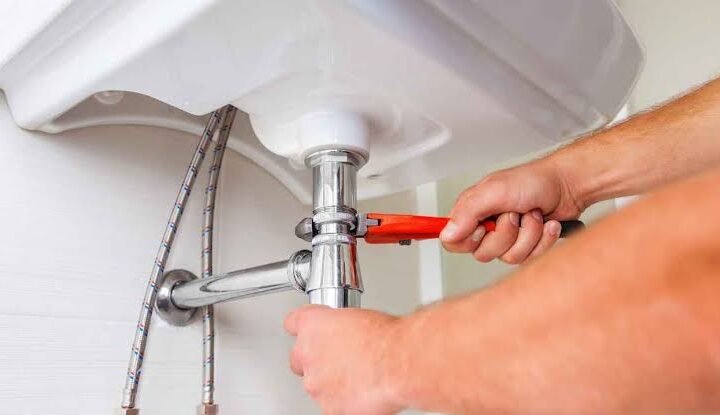
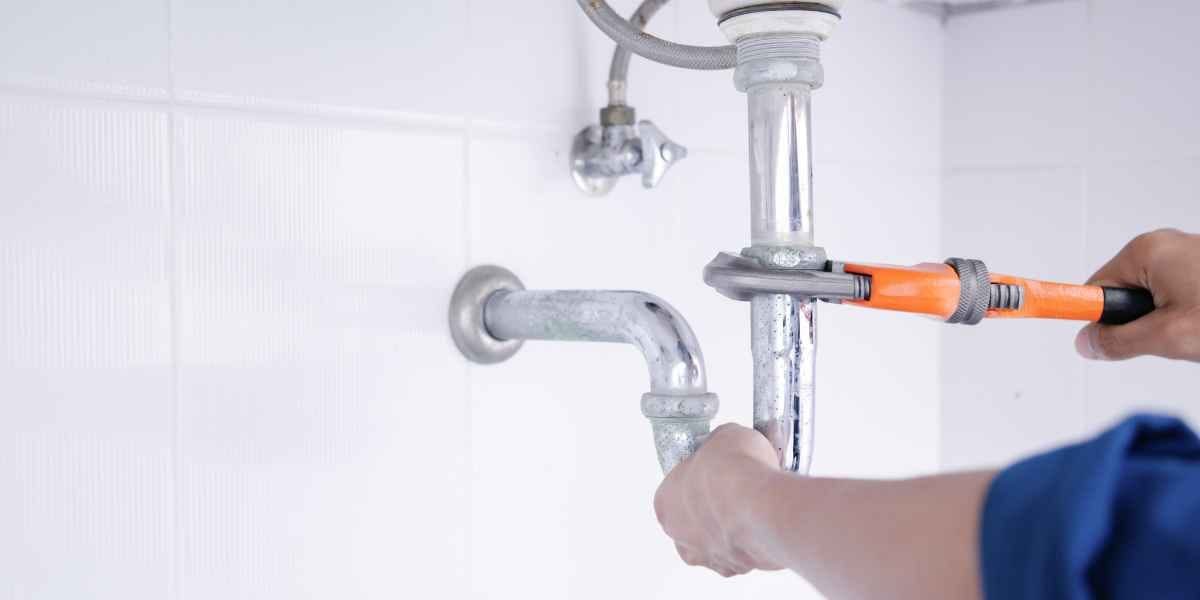
Knowing when to call a plumber versus handling it yourself can save both money and a lot of frustration. Too many people either call a plumber for a five-minute fix, or try to DIY something that genuinely needs professional tools and experience.
I’ve made both mistakes. Here’s what I’ve learned to look for now.
The General Rule of Thumb
Quick answer: Call a plumber when the issue involves the main water line, sewage, gas connections, or anything requiring specialized tools — DIY is fine for surface-level fixes like clogs, dripping taps, and minor leaks you can visibly access.
Situations Where DIY Makes Sense
Minor Clogs
A plunger or drain snake handles most sink and shower clogs without needing a professional.
Dripping Taps
Usually a worn washer — an inexpensive, straightforward fix if you’re comfortable with basic tools.
Running Toilets
Flapper valve replacement is beginner-friendly and doesn’t require specialized plumbing knowledge.
Clogged Aerators
Unscrewing and soaking in vinegar solves most low-pressure issues from mineral buildup.
Situations That Need a Professional
Sewer Line Issues
Gurgling sounds, multiple backed-up drains, sewage smell — this needs proper diagnostic equipment (like a camera inspection) that most homeowners don’t have access to.
Water Heater Installation or Major Repair
Gas or electrical connections involved here make this risky to DIY. A poorly installed water heater is a genuine safety hazard.
Pipe Bursts or Major Leaks
Anything involving the main line or hidden pipes inside walls needs a professional — not just for the fix, but to properly assess damage. [link to common plumbing problems guide here]
Low Water Pressure Throughout the House
If it’s affecting every tap, not just one, this often points to an issue beyond a simple fix — could be pipe corrosion or a supply-side problem.
Gas Line Work
Never DIY anything involving gas connections. This isn’t a “maybe” — it’s a genuine safety issue every time.
How to Judge Severity Before Deciding
- Is it affecting one fixture or multiple?
- Is there visible water damage building up?
- Does it involve gas or the main water line?
- Can you actually see and access the problem, or is it hidden in a wall/ceiling?
If you answered “multiple,” “yes,” “involves gas/mainline,” or “hidden” to any of these — call a professional.
A Real Scenario
Picture someone noticing a small leak under their kitchen sink. They Googled it, found it was a loose connection, tightened it themselves, done in ten minutes. Compare that to a neighbor who had a slow leak inside a bathroom wall — invisible until the paint started bubbling. That one genuinely needed a plumber with proper equipment to locate and fix without tearing up half the wall unnecessarily.
Cost Comparison: DIY vs Professional
| Issue | DIY Cost | Plumber Cost |
| Clogged drain | ₹0-200 (tools) | ₹300-800 |
| Dripping tap | ₹100-300 (washer) | ₹400-1,000 |
| Running toilet | ₹150-400 (flapper) | ₹500-1,200 |
| Sewer line issue | Not recommended | ₹2,000-8,000+ |
| Water heater install | Not recommended | ₹1,500-4,000 |
FAQs
Q: Is it safe to DIY a leaking pipe temporarily? Yes, a temporary patch or pipe tape can hold until a plumber arrives, but don’t treat it as a permanent fix.
Q: How do I know if a clog needs a plumber? If a plunger and drain snake don’t clear it, or if it keeps recurring, that’s usually a sign of a deeper blockage worth professional attention.
Q: Can I install a water heater myself to save money? It’s not recommended due to gas/electrical safety risks — the money saved isn’t worth the potential hazard.
Q: What’s the biggest DIY plumbing mistake people make? Using excessive chemical drain cleaners repeatedly, which can actually damage older pipes over time.
Q: How much does a typical plumber visit cost in India? Call-out charges usually range from ₹300-600, with additional costs depending on the actual repair needed.
Final Thoughts
Deciding when to call a plumber really comes down to scale and safety. Small, visible, single-fixture issues are usually fine to handle yourself. Anything involving gas, the main line, or hidden damage — bring in a professional. Knowing the difference saves you money on the small stuff and protects you from bigger problems on the serious stuff.