Not everyone needs the same security setup. A homeowner can drill into walls and run wiring; a renter usually can’t. Figuring out the best home security systems for your actual situation matters more than chasing the most expensive option.
I’ve set up systems for both scenarios, and honestly the “best” one depends entirely on what you’re allowed to install.
What Renters Should Look For
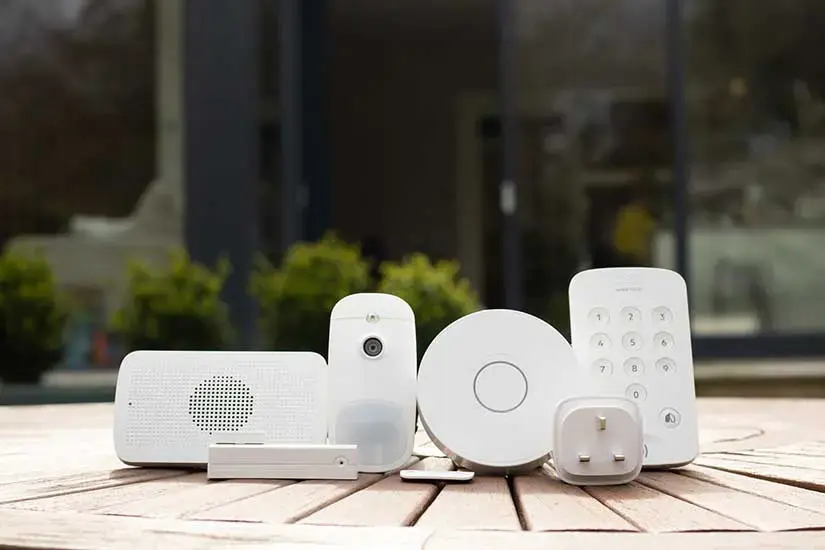
Quick answer: Renters get the most value from wireless, battery-powered security systems — video doorbells, portable cameras, and door/window sensors that don’t require drilling or permanent wiring.
Wireless Video Doorbells
Most stick-on models (₹4,000-8,000) don’t require any wiring changes. Great for monitoring entry without landlord issues.
Portable Indoor Cameras
Battery or plug-in cameras you can take with you when you move. Look for ones with cloud storage plans under ₹200/month.
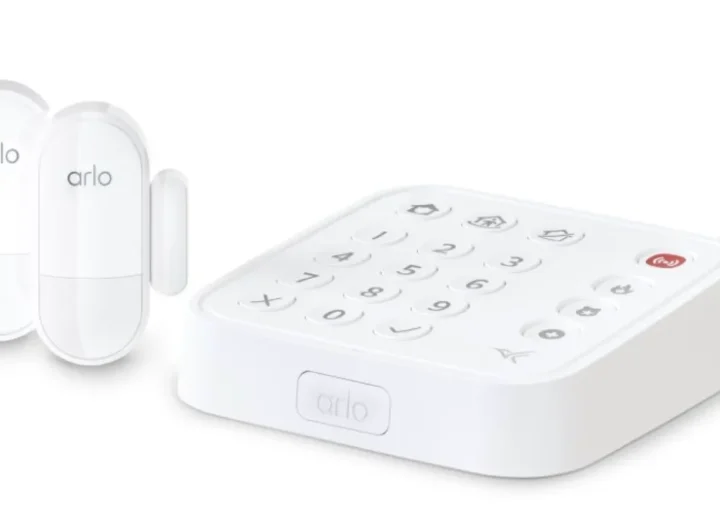
Door and Window Sensors
Adhesive-mounted sensors alert you if a door or window opens unexpectedly. No drilling needed at all.
What Homeowners Can Add On Top
Homeowners have more flexibility, which opens up better long-term options.
- Hardwired camera systems with local storage (no monthly fees)
- Smart locks integrated with the main door
- Professional monitoring services with alarm response
- Perimeter sensors and motion-activated floodlights
Comparing Cost: Renters vs Owners
| Setup Type | Renter-Friendly | Owner Option | Approx Cost |
| Video Doorbell | Yes | Yes | ₹4,000-10,000 |
| Indoor Camera | Yes | Yes | ₹1,500-5,000 |
| Smart Lock | Rarely | Yes | ₹6,000-15,000 |
| Professional Monitoring | No | Yes | ₹1,500-3,000/month |
Choosing Based on Where You Live
Picture a young professional renting a 1BHK in Bengaluru near the tech corridor — a battery doorbell and one indoor camera covers most of what they need. Compare that to a family in an independent house in Jaipur, where a full perimeter system with motion lighting makes far more sense given the larger property. [link to DIY security tips guide here]
What Actually Matters More Than Brand
- Storage: cloud subscription vs local SD card — factor in ongoing costs
- App reliability — cheap cameras often have terrible apps that lag or disconnect
- Night vision quality — check reviews specifically for this, not just marketing images
- Battery life if wireless — some drain within a week under heavy use
Common Mistakes People Make
- Buying an expensive system but never actually setting up the app notifications
- Ignoring wifi range — cameras far from the router become unreliable
- Not testing the system before actually needing it
- Overlooking simple things like a loud door alarm, which deters opportunistic theft just as well as expensive tech
FAQs
Q: What’s the best home security system for a rented apartment? A wireless video doorbell paired with one or two portable indoor cameras — nothing needs drilling or permanent installation.
Q: Is professional monitoring worth the monthly cost? For standalone houses or higher-value homes, often yes. For apartments with existing society security, it’s less critical.
Q: Do smart locks work well in Indian homes? Generally yes, though check for humidity resistance if installing on an exterior door exposed to weather.
Q: How much should a basic home security setup cost? A functional starter setup for most homes runs ₹8,000-15,000 covering a doorbell and one or two cameras.
Q: Can I upgrade a renter-friendly system later if I buy a home? Most wireless systems are portable, so yes — you can take them with you and add hardwired options later.
Final Thoughts
The best home security systems aren’t necessarily the most expensive ones — they’re the ones that actually match your living situation and get used consistently. Start with a doorbell if you’re unsure where to begin. It covers the most common security concern: who’s at your door.