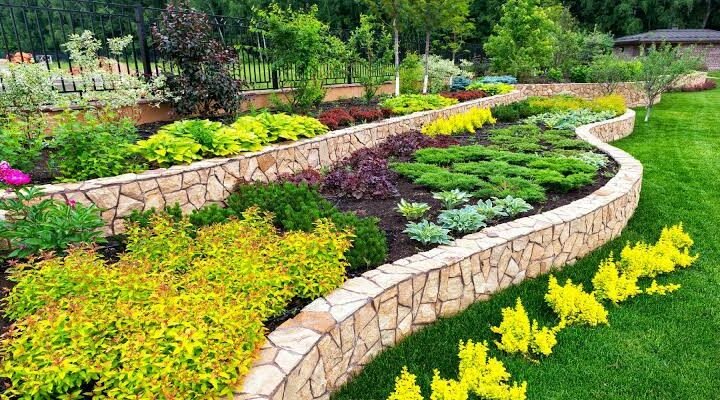
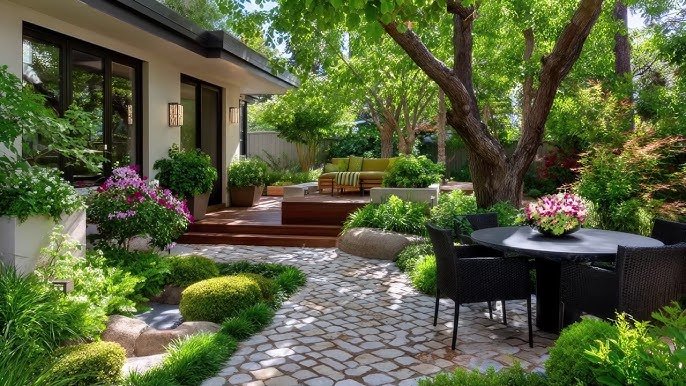
Small space doesn’t mean boring garden. I used to think you needed acres of land to grow anything worthwhile — turns out the best plants for small garden setups are often the easiest ones to manage too.
Here’s what actually works in tight spaces, based on what’s worked for me and a few friends with tiny backyards.
Why Plant Choice Matters More in Small Spaces
Quick answer: The best plants for small gardens are compact, vertical-growing, or container-friendly varieties like herbs, dwarf citrus, marigolds, and climbing vines — they maximize limited space without overcrowding.
Herbs: The Easiest Starting Point
Herbs take up minimal space and reward you almost immediately.
- Mint (grows aggressively, best in its own pot)
- Basil (tulsi and Thai basil both do well in Indian climates)
- Coriander (fast-growing, great for regular kitchen use)
- Curry leaves (a small tree that thrives in pots)
Vertical Growers for Tight Spaces
If ground space is limited, go up instead of out.
- Money plant on a trellis
- Morning glory vines
- Cherry tomatoes on a support cage
- Climbing roses along a fence
Dwarf Fruit Trees
Dwarf varieties of lemon, guava, and pomegranate can thrive in large pots (18-24 inches) and produce actual fruit without needing a full-sized tree’s footprint.
Flowering Plants That Don’t Need Much Room
Picture a small balcony garden in an apartment — marigold, petunias, and portulaca in hanging baskets or railing planters add real color without eating up floor space. [link to low maintenance garden ideas guide here]
Ground Cover for Small Beds
Instead of grass, ground cover plants like creeping thyme or wedelia fill space attractively with far less mowing or maintenance involved.
Best Layout Approach for Small Gardens
Use Vertical Space
Wall-mounted planters, trellises, and hanging pots free up ground space significantly.
Group by Sun Exposure
Most small gardens have mixed light conditions — group sun-loving plants (marigold, tomatoes) separately from shade-tolerant ones (ferns, snake plants).
Don’t Overcrowd
It’s tempting to fill every inch, but plants need room to actually grow. Leave gaps — they’ll fill in over a few months.
A Realistic Small Garden Plan
For a roughly 6×6 ft space:
- 2 dwarf fruit trees in large pots (corners)
- A trellis with climbing vines along one wall
- Herb pots along the edge, easy to reach for cooking
- Flowering ground cover filling remaining space
FAQs
Q: What are the easiest plants for a first-time gardener in a small space? Herbs like mint, basil, and coriander — they grow quickly and forgive minor care mistakes.
Q: Can fruit trees really grow in small backyards? Yes, dwarf varieties are specifically bred for container and small-space growing, and many produce fruit within 1-2 years.
Q: How do I maximize a very small garden space? Grow vertically using trellises and wall planters, and choose compact or dwarf plant varieties over standard sizes.
Q: Do small gardens need less watering than large ones? Not necessarily less frequent, but the total amount of water used is naturally lower given the smaller area.
Q: What plants should I avoid in a small garden? Fast-spreading plants like bamboo or aggressive vines without boundaries — they can quickly overwhelm a limited space.
Final Thoughts
The best plants for small garden spaces prove that size isn’t the limiting factor — smart choices are. Herbs, vertical growers, and dwarf varieties let you build something genuinely lush in a fraction of the space people assume they need. Start with a couple of herb pots and expand from there.