Paint trends shift more than people realize, and picking the right shade can make a room feel current instead of dated within a few years. These interior paint color trends 2026 are what’s actually showing up in homes right now, not just design magazine fantasy.
I’ve noticed a genuine shift away from the all-white minimalism of a few years back — people are getting braver with color again.
The Bigger Shift This Year
Quick answer: Interior paint color trends for 2026 favor warm, earthy tones — terracotta, olive, warm beige — replacing the cooler grays and stark whites that dominated previous years.
Warm Terracotta and Clay Tones
This has become one of the standout colors this year, particularly for living rooms and dining areas. It brings warmth without feeling overwhelming, and pairs beautifully with wood furniture, which most Indian homes already have plenty of.
Deep Olive and Sage Greens
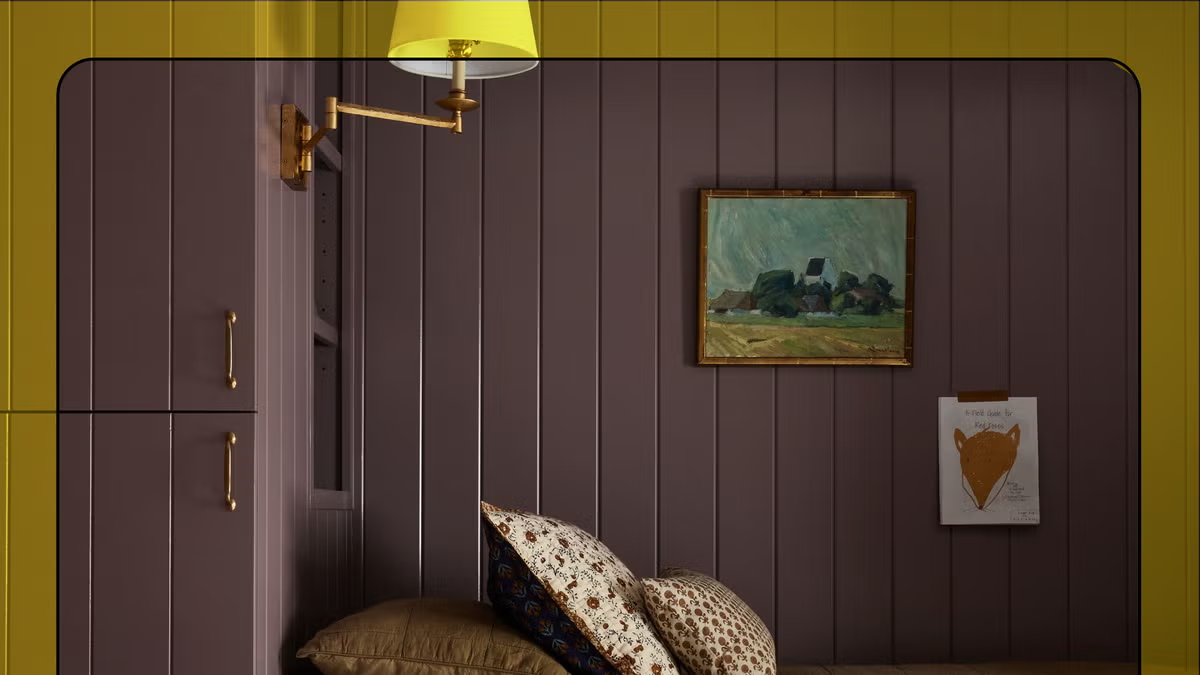
Green has moved from accent-wall territory into full-room use. Deep olive works particularly well in studies and bedrooms, creating a calm, grounded feeling that lighter greens don’t quite achieve.
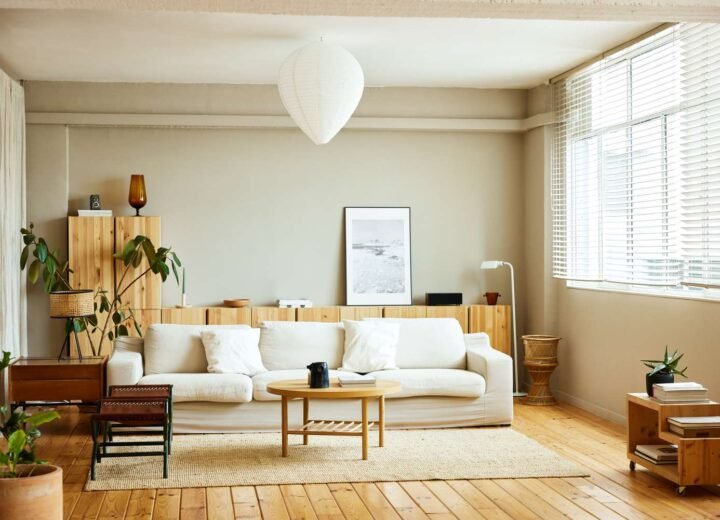
Warm Beige Replacing Cool Gray
Gray dominated for nearly a decade, but it’s genuinely fading now in favor of warmer beige and taupe tones. These feel less clinical and pair better with natural materials like wood and rattan, which are also trending in furniture right now.
Deep, Moody Blues for Accent Spaces
Navy and deep teal continue to be popular for accent walls, particularly in home offices and bedrooms. They create a cocooning, intimate feel that works well in smaller rooms specifically. [link to paint finish guide here]
Bold Kitchen Cabinet Colors
Kitchens are seeing a real shift away from all-white cabinetry. Deep green, navy, and even burgundy cabinets are showing up more, often paired with lighter countertops to balance the depth.
Colors to Use With Caution
Not every trend suits every home. A few worth thinking through carefully:
- Very dark charcoal walls — stunning in large rooms, can feel cramped in small ones
- Bright, saturated colors in bedrooms — can affect sleep quality according to some interior designers
- Trend-heavy colors on large surfaces you’ll want to keep for 5+ years
How to Apply These Trends Without Overcommitting
Start With an Accent Wall
Test a trending color on one wall before committing a whole room, especially for bolder shades like olive or terracotta.
Use Trending Colors on Smaller Elements
A trending navy on a bookshelf or door frame lets you experiment without the commitment of full walls.
Balance Trend With Timelessness
Keep large surfaces (main walls, ceilings) in more neutral tones, and use trending colors for accents, furniture, or one statement wall.
A Practical Example
Picture a homeowner in Jaipur updating their living room in 2026 — instead of repainting the entire space, they went with warm beige on three walls and a terracotta accent wall behind the sofa. Total cost was around ₹8,000, and the room instantly felt more current without a full color overhaul.
FAQs
Q: What’s the most popular interior paint color for 2026? Warm terracotta and earthy clay tones are leading the trend this year, especially in living and dining spaces.
Q: Are gray walls out of style now? Cool gray is fading in popularity in favor of warmer beige and taupe tones, though it’s not entirely gone from use.
Q: Is it risky to paint a whole room in a trending color? It can be, since trends shift — safer to use bold trending colors on one accent wall or smaller elements first.
Q: What paint colors work well with wood furniture? Warm tones like terracotta, olive green, and warm beige complement wood furniture better than cooler tones like gray or stark white.
Q: Should I follow paint trends or choose timeless colors? A mix works best — keep large surfaces neutral and timeless, and use trending colors for accents or easily changeable elements.
Final Thoughts
Interior paint color trends 2026 are clearly moving toward warmth — terracotta, olive, and beige are replacing the cooler tones of recent years. You don’t need to repaint everything to catch up; a single accent wall or a few smaller elements can bring your home current without a huge investment.