Electricity is one of those things we rarely appreciate until something stops working. The lights flicker while you’re cooking dinner, a breaker trips just as you start a load of laundry, or an outlet suddenly stops charging your phone. These problems may seem like minor inconveniences, but sometimes they’re signs that your home’s electrical system needs attention.
A dependable electrical system keeps daily life running smoothly. It powers essential appliances, supports home office equipment, and provides the energy needed for modern comforts. More importantly, it protects your family and property when everything is installed and maintained correctly.
Whether you’re dealing with an older home, planning a renovation, or simply trying to reduce energy waste, understanding your electrical system can help you make better decisions. A little awareness today may save you from a much bigger headache tomorrow.
Why Professional Electrical Work Matters
Electrical systems involve much more than switches, sockets, and light fixtures. Behind the walls are circuits, wiring, grounding connections, protective devices, and electrical panels that must work together safely.
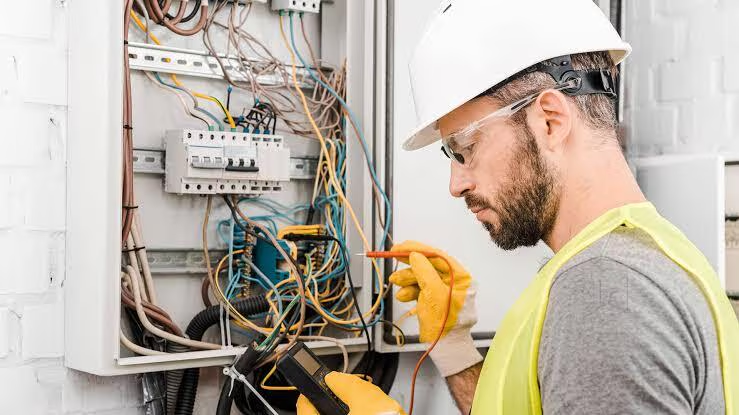
Professional electrical services can help with everything from troubleshooting faulty outlets to upgrading panels and installing new lighting. Qualified electricians understand how electrical loads are distributed, how circuits should be protected, and which installation practices meet local codes.
Consider a home where the kitchen has gradually filled with new appliances. An air fryer, microwave, dishwasher, refrigerator, and coffee machine may all be competing for power. If the electrical system wasn’t designed for that level of demand, circuits may trip repeatedly or components may become overloaded.
Adding another outlet without addressing the underlying capacity issue won’t necessarily solve the problem. A proper assessment can reveal whether the home needs a dedicated circuit, improved wiring, or a panel upgrade.
Professional work is especially important because electrical faults aren’t always visible. Damaged insulation, loose connections, and inadequate grounding can remain hidden until they cause equipment damage or create a serious safety hazard.
Warning Signs You Should Never Ignore
Most homeowners don’t need to understand every technical detail of an electrical system, but recognizing warning signs is essential.
Frequent breaker trips: Circuit breakers are designed to interrupt power when a circuit becomes overloaded or develops certain faults. An occasional trip may have a straightforward explanation, but repeated trips deserve investigation rather than repeated resetting.
Flickering or dimming lights: A loose bulb can cause flickering, but lights that dim when larger appliances start may indicate an overloaded circuit, a wiring issue, or another electrical problem.
Warm outlets or switches: Electrical outlets and switch plates shouldn’t become unusually hot during normal use. Discoloration, buzzing, burning smells, or visible sparks are particularly concerning.
Outlets that no longer work: A failed outlet might have a simple cause, but damaged wiring or a faulty protective device can also be responsible. Avoid removing covers or investigating live wiring yourself.
An outdated electrical panel: Older panels may lack the capacity or protective features needed for modern household demands. Age alone doesn’t automatically mean a panel is unsafe, but its condition and suitability should be assessed by a qualified electrician.
If you notice smoke, a burning smell, or signs of an active electrical fire, move away from the danger and contact emergency services. Don’t touch damaged equipment or attempt repairs while the system may be energized.
Electrical Upgrades for Modern Homes
The way people use electricity has changed considerably. Homes now contain more connected devices, larger entertainment systems, high-powered kitchen appliances, and equipment for working remotely. Some households also install electric vehicle chargers, heat pumps, or solar energy systems.
These additions can place new demands on existing wiring and electrical panels. Before installing major equipment, have an electrician evaluate whether your current system can safely support the extra load.
Panel upgrades may be appropriate when a home lacks sufficient capacity for planned improvements. Depending on the situation, the work could involve replacing the panel, updating protective devices, improving grounding, or arranging a service-capacity upgrade with the utility provider.
Lighting is another area where a thoughtful upgrade can make a noticeable difference. LED fixtures generally use less electricity than traditional incandescent bulbs and often last longer. Choosing appropriate lighting for kitchens, hallways, bedrooms, and outdoor areas can improve both comfort and efficiency.
For outdoor spaces, weather-rated fixtures and suitable protection against moisture are essential. Garages, workshops, and bathrooms may also have specific electrical requirements depending on their use and local regulations.
The important thing is to plan upgrades around your household’s actual needs rather than simply adding equipment and hoping the existing system can handle it.
Improving Energy Efficiency Without Sacrificing Comfort
Reducing electricity consumption doesn’t always require a major renovation. Small changes can add up, especially when they’re repeated every day.
Start by looking at lighting. Replacing frequently used incandescent bulbs with LEDs can reduce energy consumption while providing a similar level of brightness. Motion sensors and timers may also help in areas where lights are often left on unnecessarily.
Next, consider appliance usage. Running washing machines and dishwashers with full loads, using appropriate energy-saving settings, and switching off equipment that doesn’t need to remain powered can help control consumption.
Heating and cooling systems deserve attention as well. Poor electrical connections, outdated controls, or inefficient equipment can affect performance. Routine servicing and correctly configured thermostats can help maintain comfort without wasting energy.
Smart home technology may offer additional convenience. Programmable lighting, smart thermostats, and energy monitoring devices can make it easier to understand when electricity is being used. However, connected equipment should be installed and configured properly, especially when it interacts with fixed wiring.
Remember that efficiency isn’t just about buying newer products. Correct installation, appropriate maintenance, and sensible daily habits are equally important.
Planning Electrical Projects Around Your Budget
Electrical improvements can range from a straightforward fixture replacement to a complete panel upgrade or extensive rewiring project. Naturally, the costs vary according to the home’s condition, the complexity of the work, labor requirements, and local permit regulations.
Before approving a project, request a written estimate that explains the proposed work, materials, labor, and any additional charges that might apply. If several repairs are needed, ask the electrician to distinguish urgent safety issues from improvements that can reasonably wait.
For larger projects, financing available options may help homeowners spread eligible expenses over time instead of paying the entire amount upfront. Availability, interest rates, repayment periods, and eligibility requirements differ between contractors and financing providers, so review the terms carefully before committing.
It’s worth comparing the total repayment cost rather than focusing only on the monthly payment. A lower payment over a longer period can sometimes mean paying considerably more overall.
Never compromise on essential safety work simply to reduce the initial price. A clear assessment and realistic budget make it easier to prioritize the right improvements.
Choosing an Electrician You Can Depend On
Finding the right electrician is about more than convenience. You’re trusting someone to work on a system that affects your family’s safety every day.
Look for professionals with the appropriate licensing, insurance, and experience for the job. Requirements vary by location, so check the relevant local standards before hiring a contractor.
Ask how the electrician will diagnose the problem, what the proposed solution involves, and whether permits or inspections are required. A reliable professional should be willing to explain the options without overwhelming you with technical language.
References, customer reviews, written estimates, and clear warranty information can also help you make an informed choice. Be cautious of anyone who recommends extensive replacements without explaining the evidence behind the recommendation.
Good communication matters, too. You should know when the work is scheduled, whether power interruptions are expected, and what preparations are needed before the electrician arrives.
Getting Help Before a Small Problem Becomes a Big One
Electrical issues rarely become easier to manage when they’re ignored. A loose connection, overloaded circuit, or deteriorating component can create risks that aren’t immediately obvious.
If you notice unusual electrical behavior, schedule an inspection rather than relying on guesswork. When you’re ready to discuss a repair, installation, or upgrade, request service now through a qualified electrical contractor and explain the symptoms you’ve noticed.
Regular inspections, sensible energy habits, and professionally completed repairs can help keep your home’s electrical system dependable for years to come.
Ultimately, good electrical care is about more than keeping the lights on. It’s about protecting your property, supporting modern living, and having confidence that the systems behind your walls are doing their job safely. With the right planning and professional support, maintaining that confidence doesn’t have to be complicated.