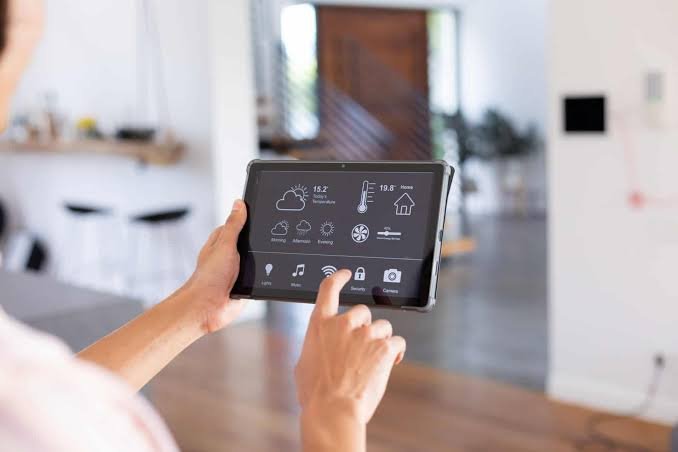
Everyone’s talking about smart home upgrades 2026, but half the gadgets out there are gimmicks dressed up as innovation. I’ve tested a handful over the past year, and some genuinely changed my daily routine. Others just sat there blinking uselessly.
Let’s separate what’s actually useful from what’s just marketing.
What Counts as a “Smart Home Upgrade” Today
It’s not just about voice assistants anymore. In 2026, smart home upgrades cover security, energy monitoring, climate control, and even water leak detection — stuff that actually saves money, not just party tricks.
Quick answer: The most worthwhile smart home upgrades in 2026 are smart thermostats, video doorbells, smart plugs, and leak detectors — each pays for itself within a year through savings or prevented damage.
Smart Lighting: Still Worth It
Smart bulbs have gotten cheap — ₹400-600 per bulb now for decent brands. What’s changed is reliability. Two years ago half of them would randomly disconnect from wifi. That’s mostly fixed now.
- Schedule lights to mimic occupancy when you’re travelling
- Dim automatically in the evening
- Control from anywhere, which matters more than people expect
Smart Security Devices
This is where I think the real value is in 2026. Video doorbells (₹5,000-12,000) genuinely deter package theft and let you check who’s at the door without opening it.
Video Doorbells
Not just for catching thieves. I’ve used mine mostly to avoid unwanted salespeople and check on deliveries.
Smart Locks
Keyless entry with a code or app — useful if you have domestic help coming at odd hours or kids who lose keys constantly. [link to home security guide here]
Thermostats and Climate Control
If you’re running AC most of the year, a smart thermostat or smart AC controller (₹2,500-4,000) can cut electricity bills noticeably. I’ve noticed my own bill drop by roughly 12-15% after switching to scheduled cooling instead of running it constantly.
The One Upgrade Nobody Talks About: Leak Detectors
Honestly, this is underrated. A small water sensor (₹1,000-2,000) placed near your washing machine or water heater can save you lakhs in water damage repair. Picture this — a Bengaluru apartment owner I know had a slow leak behind their washing machine for weeks. By the time they noticed, the wooden flooring had swelled and needed full replacement. A ₹1,200 sensor would’ve caught it in hours.
Smart Plugs: Cheap and Genuinely Useful
At ₹700-1,000, smart plugs let you control any regular appliance remotely. Turn off the iron you forgot about, schedule your water heater, monitor which devices are eating electricity.
What’s Overhyped in 2026
Not everything labeled “smart” deserves your money:
- Smart fridges — the touchscreen rarely gets used after week one
- Robot vacuums that need constant supervision on Indian floor layouts with lots of furniture legs
- Smart mirrors — cool demo, questionable daily use
Setting Up Your First Smart Home System
Start Small
Don’t buy a whole ecosystem at once. Pick one category — lighting or security — and build from there.
Check Compatibility
Google Home, Amazon Alexa, and Apple HomeKit don’t always play nice together. Stick to one ecosystem if possible.
Wifi Matters More Than You Think
A weak router will make every smart device unreliable. Consider a mesh system if your home is over 1,200 sq ft.
FAQs
Q: Are smart home upgrades worth it for renters? Yes, for portable devices like smart plugs and bulbs. Skip anything requiring permanent wiring changes.
Q: What’s the most cost-effective smart home upgrade in 2026? Smart plugs, without question. Cheap, flexible, and useful from day one.
Q: Do smart home devices actually save electricity? They can, particularly thermostats and plugs that let you track and automate usage patterns.
Q: Is a smart security system a replacement for a guard or society security? No, think of it as an addition, not a replacement — it gives you visibility, not physical response.
Q: How much should a basic smart home setup cost? A reasonable starter setup — a few bulbs, one doorbell, a couple of plugs — runs around ₹15,000-20,000.
Final Thoughts
Smart home upgrades 2026 aren’t about turning your house into a sci-fi movie. They’re about small, practical fixes that save time, money, or prevent disasters. Start with a leak detector and a video doorbell — you’ll feel the difference within a month.